

Tracking Income and Expenses Properly
Simple methods for keeping records the CRA accepts. Covers what counts as deductible and how to document everything correctly.
Read Guide
A step-by-step approach to organizing financial records that'll save you time at tax time. Digital tools and paper methods both covered.
Author
Written by the TaxTrail Canada editorial team, focused on practical, clear guidance for Canadian freelancers navigating self-employment taxes.
Good records don't just help at tax time — they're essential for running your freelance business year-round. You'll know exactly what you're earning, where your money's going, and whether you're actually profitable. When the CRA audits (and they do check self-employed folks), solid records protect you.
The challenge? Most freelancers wing it. They shove receipts in a drawer or hope their bookkeeping app syncs correctly. Then April rolls around and it's chaos.
This guide walks you through setting up a system that actually works — whether you prefer spreadsheets or software. We'll cover what to track, how to organize it, and how to keep it manageable without becoming a part-time accountant.
You don't need to track everything. Focus on the documents the CRA cares about. For most freelancers, that means income records and business expenses.
Keep records of every payment you receive. This includes invoices you've sent, payment confirmations from clients, bank statements showing deposits, and T4A forms if clients issue them. Digital files work fine — just make sure they're backed up. Store them by month or by client, whichever makes sense for your business.
This is where most freelancers fall short. Keep receipts for every business expense you plan to deduct. That's invoices from suppliers, credit card statements, utility bills (if you claim home office), professional fees, and equipment purchases. Don't throw anything away until you're confident you won't need it.
The golden rule? If you can't prove it with a receipt or document, the CRA won't accept it as a deduction. You'll want bank statements too — they back up what you spent.

There's no single right answer here. It depends on your comfort level with technology, the complexity of your business, and your personal preferences.
Most freelancers lean digital these days. A basic spreadsheet (Excel, Google Sheets) works perfectly fine if you're disciplined about updating it monthly. You'll track date, description, category, and amount for each transaction. Takes 10 minutes a week, honestly.
Cloud-based options like Wave or FreshBooks automate more — they connect to your bank account and categorize transactions automatically. The tradeoff? You're paying a monthly fee and sharing financial data with another company. For solo freelancers starting out, a spreadsheet is often enough.
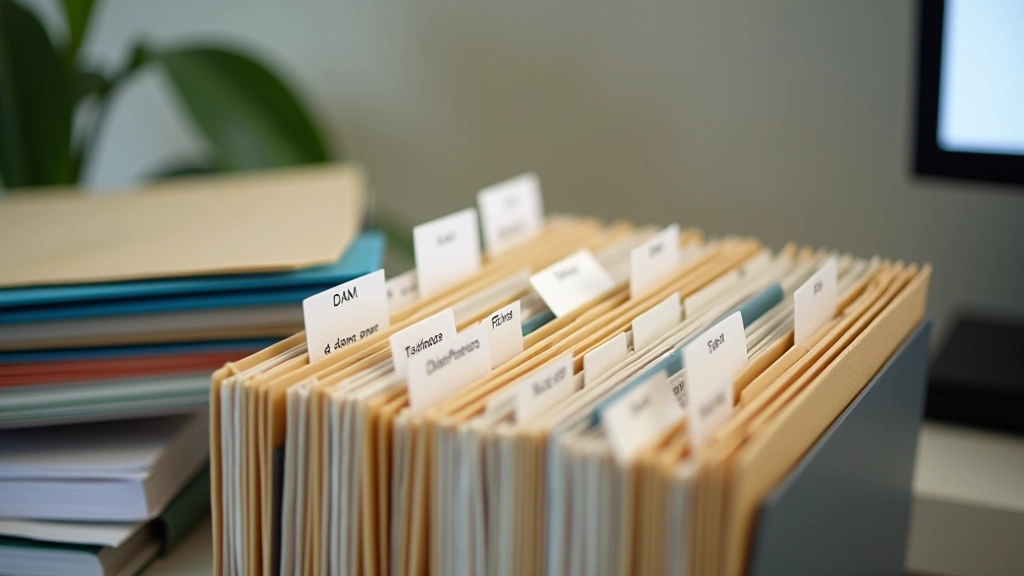
Some freelancers still prefer filing physical receipts. This works, but you'll need a reliable system — organized folders by month or category, plus a summary ledger you update monthly. The downside? It takes more physical space and you can't easily run reports. Most accountants expect digital copies anyway.
Hybrid approach? Keep digital records for everything but hold onto physical receipts for 6 years (that's the CRA requirement). Snap photos of receipts when you pay for something — saves storage space.
Setting up your system is one thing. Maintaining it is another. You'll want regular check-ins to catch errors early and stay on top of your tax obligations.
Spend 15 minutes reconciling your records. Check that all bank deposits match your invoices. Make sure expenses are categorized correctly. File away receipts. This rhythm keeps things from piling up.
Run a profit and loss summary. How much did you earn this quarter? How much did you spend? Are you on track for the year? This helps you plan for tax instalments if you're required to pay them.
Do a full year review before meeting your accountant. Verify all income is recorded. Check for any expenses you might have missed. This prep work saves you money when you're paying for tax help.

This article is educational only and is not financial or tax advice. Record-keeping requirements and tax obligations vary by situation and change over time. Outcomes aren't guaranteed. Always consult with a qualified accountant or tax professional about your specific circumstances and current CRA rules before making decisions about your record-keeping system or tax filings.
A solid record-keeping system isn't complicated, but it does require consistency. You're looking at maybe 30 minutes per month to stay organized. That's worth it when you're not scrambling in March looking for receipts from January.
Start simple. Pick either a spreadsheet or a basic bookkeeping app. Create folders or categories for income and expenses. Set a calendar reminder for your monthly review. Stick with it for three months until it becomes habit.
The freelancers who succeed financially aren't necessarily the ones earning the most — they're the ones who know exactly what they're earning and where it's going. Your record-keeping system is how you join that group.
Ready to dive deeper into deductions and tax planning?
Explore Common DeductionsContinue your learning journey with these complementary resources
Simple methods for keeping records the CRA accepts. Covers what counts as deductible and how to document everything correctly.
Read Guide
When you need to pay, how much you owe, and what happens if you don't. Includes timing, calculation methods, and penalty information.
Read Guide
Home office expenses, equipment, professional fees, and other legitimate write-offs. Learn what's deductible and how to claim it properly.
Read Guide